

There are no products in your cart. Perhaps the item you chose is sold out.
Featured Categories
Recently viewed
-
 C$8.57
blog
Aquarium Tools & Equipment
Livestock Health & Nutrition Facts


Aquariums 101


Frequently asked question


27 jun 2019
How Often Should You Change Aquarium Water?
Its All About The Fish


Paleatus Corydorus Catfish
-
The Paleatus Corydorus Catfish is omnivorous and will require a well-balanced diet including freeze-dried bloodworms and tubifex, sinking catfish pellets, flake food, frozen, and live foods. Feed a quality flake and pellet food as well as frozen brine and
aquarium illusions
bottem feeder fish
bottom fish
catfish
cleaning crew for freshwater aquariums
community fish for aquariums
frshwater aquariums
having fun with fish
What do you feed a cory catfish?
what kind of tank do you need for a Paleatus Corydorus Catfish
what tank mates go well with the Paleatus Corydorus Catfish
where to buy a Paleatus Corydorus Catfish
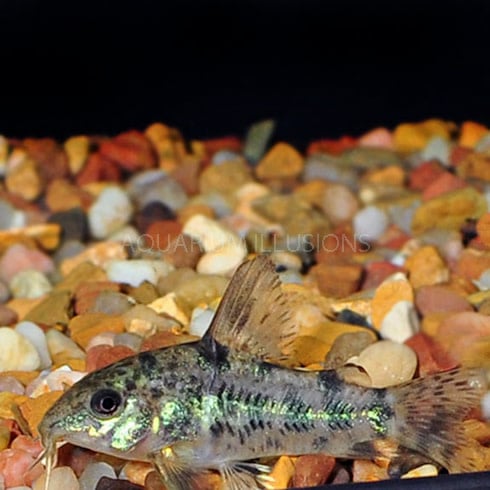
Paleatus Corydorus Catfish comes from the tributaries of larger river systems in South America, and is a peaceful bottom dwelling scavenger. The Paleatus Corydorus Catfish has black and dark green spots, with a white underside.
The Paleatus Corydorus Catfish requires a well-planted aquarium with plenty of hiding places that provide relief from the light. A smooth sand or gravel substrate is needed because of the easily damaged barbels. They enjoy being in numbers, so a small school of six or more is ideal for these cats.
Breeding the Paleatus Corydorus Catfish is achieved by keeping a number of these cats together and allowing them to pair off. After spawning, the breeding pair should be separated from the eggs, or the eggs transferred to another system. The fry become waterborne in approximately 5 days, at which time, they should be fed baby brine shrimp and crushed flake food.
The Paleatus Corydorus Catfish is omnivorous and will require a well-balanced diet including freeze-dried bloodworms and tubifex, sinking catfish pellets, flake food, frozen, and live foods. Feed a quality flake and pellet food as well as frozen brine and live worms.
No specifications found
- Code 1370106
- Weight 1100
- Size X 15
- Size Y 30
- Size Z 15
No reviews found...
Related products
